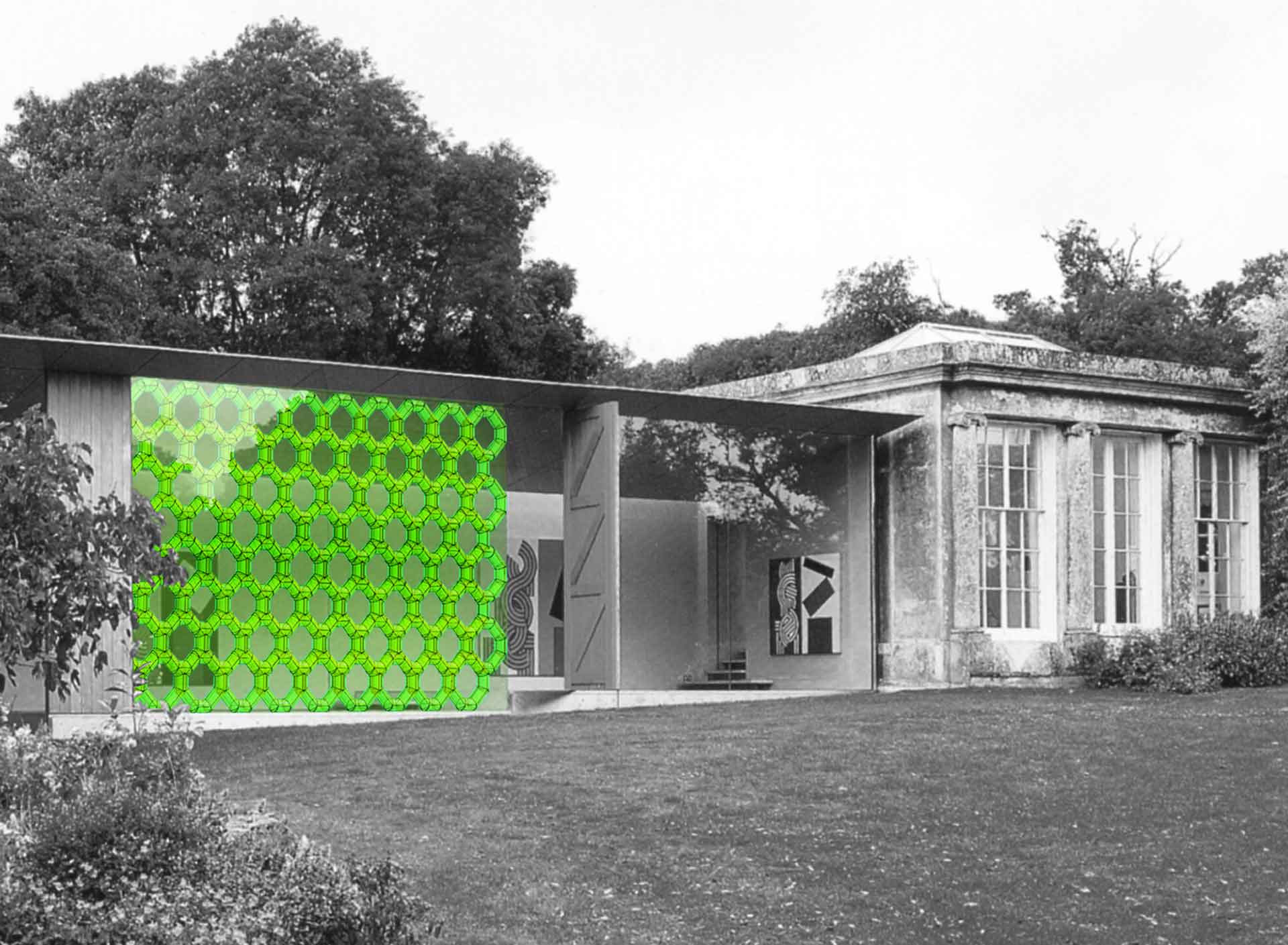
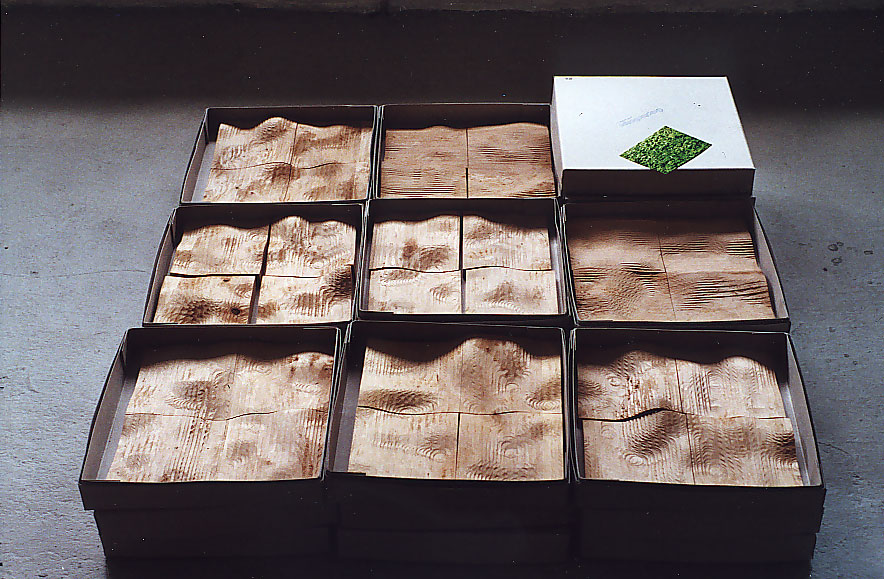
The video shows a concept for a competition of the German “Gesellschaft für Technische Zusammenrbeit”, who is working in th field of sustainable development with worldwide operations.
Deskription:
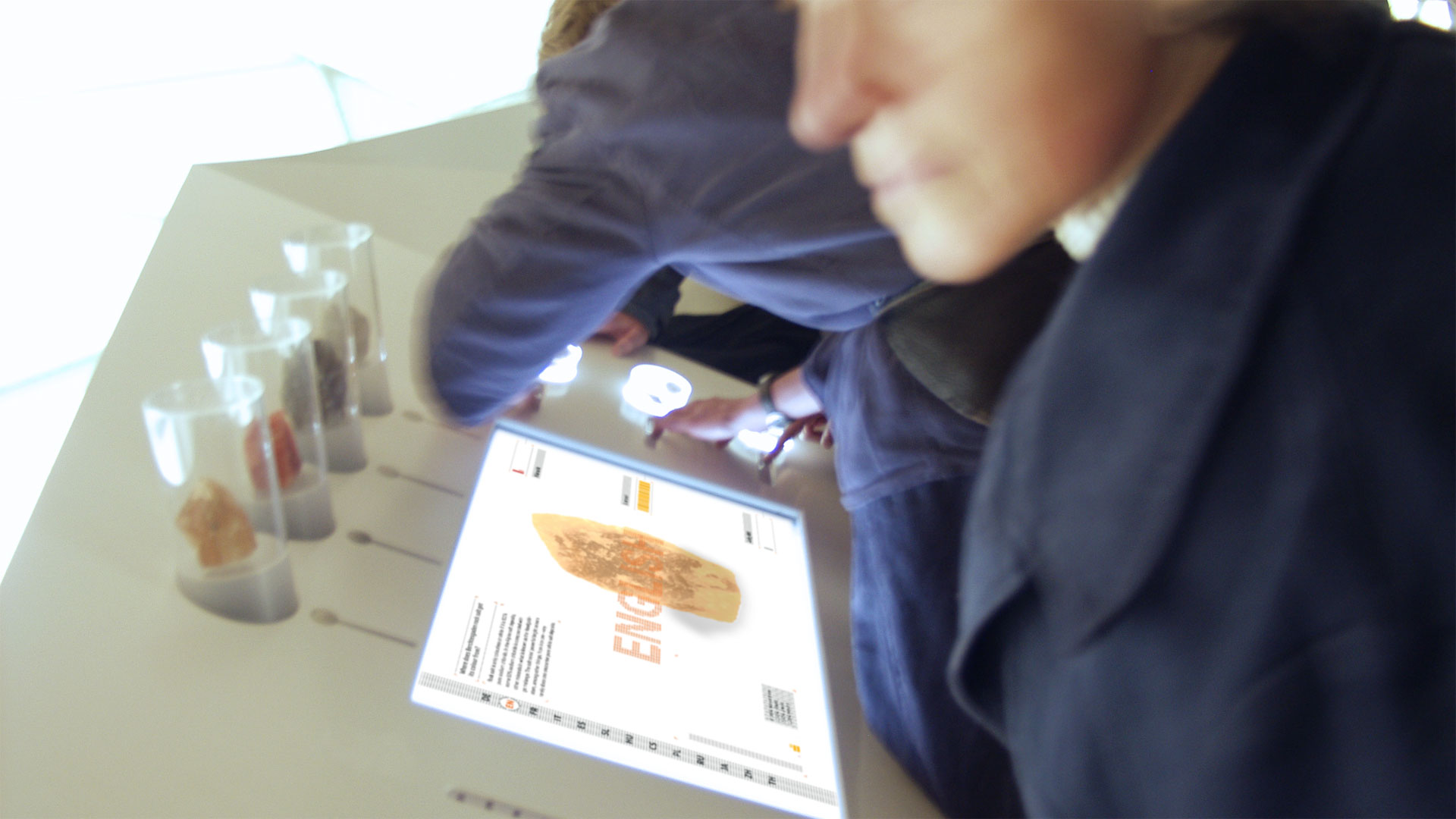
Aufgeschlüsselt nach Land, Geschlecht,und Breitengrad werden Daten der Alphabetisierung in einem interaktiven Graphen abgebildet. Unbeachtet bleiben Parameter wie Bevölkerungszahl, Wirtschaftskraft oder geographische Größe. Die Alphabetisierungsrate wird in unterschiedlichen Darstellungsweisen durchdekliniert und findet sich in Überschrift, Menü, Schriftgröße, Ordinaten Ausrichtung und Linienstärke wieder. Entgegen bekannter Sehgewohnheiten verläuft der Äquator senkrecht durch die Karte und die Länder sind von rechts nach links gemäß ihres Breitengrads angeordnet. Je niedriger die Alphabetisierung eines Landes desto höher ist es auf dem Graphen angeordnet. So weit erhältlich sind die Daten für Männer und Frauen differenziert dargestellt und durch eine senkrechte Linie verbunden. Über ein einfaches Menü welches von der Interfacestele aus bedient wird, können die Besucher den Fokus auf einzelne Länder lenken wodurch diese farblich hervorgehoben werden.
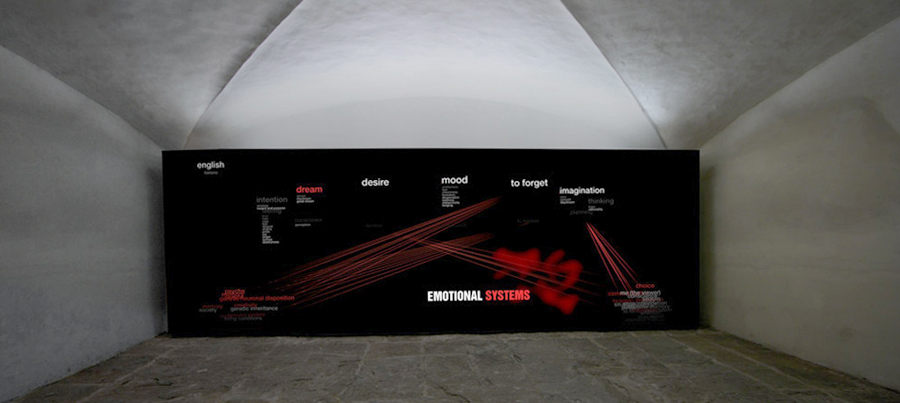
In Florenz Italy opened a new space for contempory art la Strozzina at Palazzo Strozzi. For the first exhibition “EMOTIONAL SYSTEMS Contemporary Art Between Emotion and Reason” Franziska Nori the curator asked me to develop a Installation to visualize some of the contents of the exhibit. I developed an Interactive Wall which allows up to eight Visitor to navigate the contents created by Franzisak Nori and Dr. Martin Steinhoff. When a word is touched its implications show up or contents of a connected Layer move to the center. The contents are related with the different factors of influence on the production of Art. Continue reading ‘SISTEMI EMOTIVI Inteactive Wall’
Sketching physical simualtions
0 Comments Published by leinberger October 17th, 2006 in media, technology, digital scholarshipHenrique Monnerat a friend of mine and Productdesigner as well did sent me this YouTube link of an quite pretty sketchboard simulation System. Unfortunatly I don’t know the origin of this video. So If you know please let me know.
Thanks to Henrique !
Pinkie & Open I/O
0 Comments Published by leinberger October 16th, 2006 in technology, sensor network
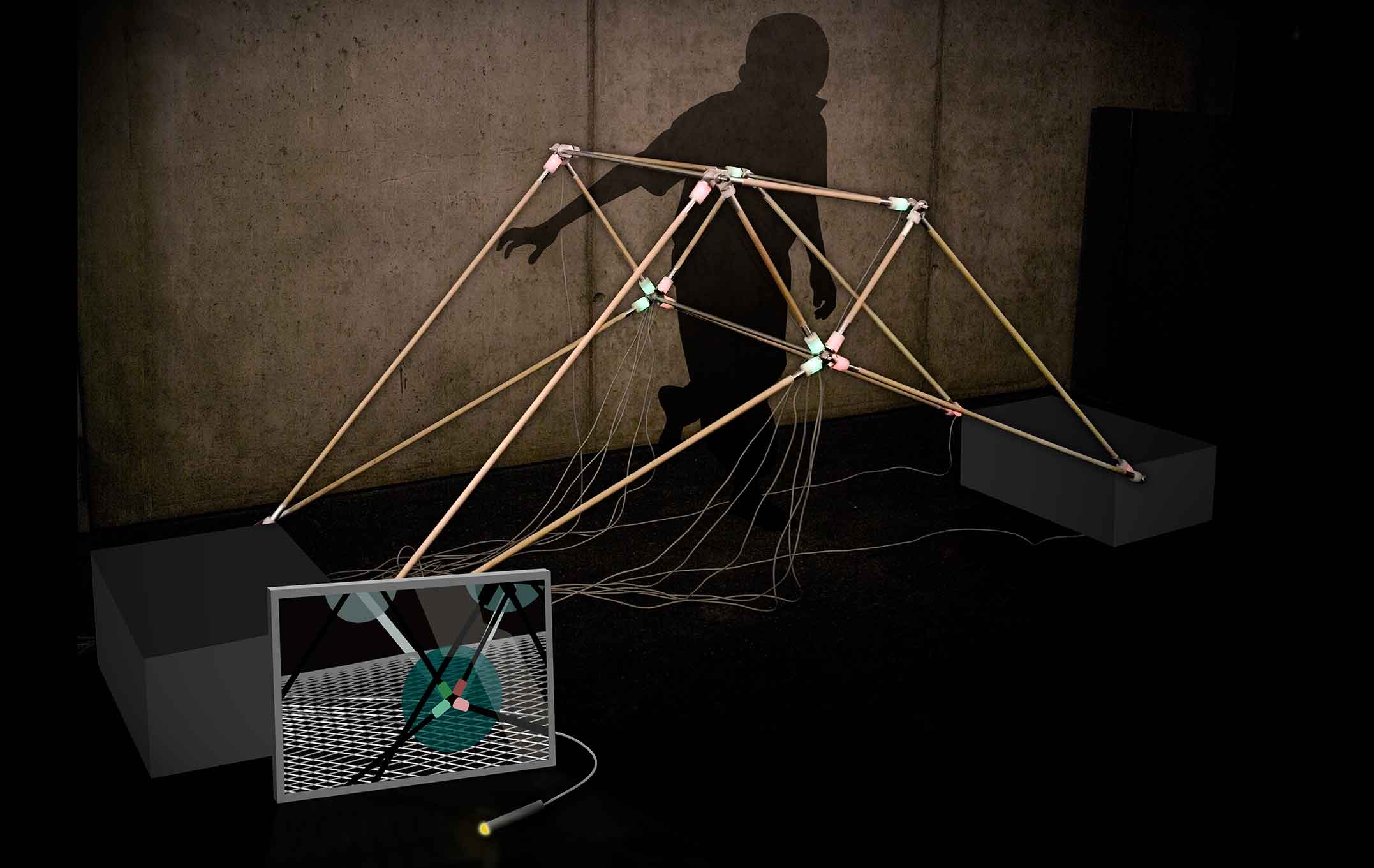
Pinkie is a network based electronics prototyping board. Developed as a precursor to building large networked systems that incorporate physical space and objects. Pinkie has been designed to easily compose sensors and actuators that reside in different locations. Pinkies are inherently invisible, they hide behind the structures and only serve as facilitators to interface the physical world to the digital network. Today creating architectural spaces connected to digital networks is possible, but not so easy or sustainable. Furthermore, it is not well practiced. So how does the design of spaces and objects change when they are networked? How do we situate communication / interaction technologies? What are the qualities of our experience in these spaces? To explore these questions we started to develop a new project called Open I/O.
http://plw.media.mit.edu/people/arikan/2005/pinkie/index.html
VIA:
http://www.we-make-money-not-art.com/archives/009014.php
MORE:

The rising complexity of of electronic products, demands iterative ways to develop their interface. While there are several systems for functional prototyping outside the The VoodooIO system amazed me most. I’ve never seen such an easy way to custumize your tangible interface.
VoodooIO adopts a vision of the physical interface as a malleable material that can be shaped and adapted, rather than a device with a predetermined form or prescribed use. The intention is to overcome the obstacles that prevent hardware interfaces from being as easily appropriable by users as graphical user interfaces (and software applications in general) have become, blurring the boundaries between interface developers, interaction designers and end-users.
The concept is based on deconstructing the interface into atomic units of control – such as buttons, switches, knobs, sliders and lights – and a substrate material that allows individual units to be aggregated and spatially organized into control surfaces distributed across the environment.
VIA: http://eis.comp.lancs.ac.uk/
SEEN AT: we make money not art
Search
Latest
Events
- No events.